Food Packaging: Reliable Food Wrapping Solutions
Online Grocery Delivery Transformation: The Emergence of E-Commerce Food Packaging Advancements
The grocery delivery transformation has significantly changed the way consumers obtain food. This shift has prompted advancements in e-commerce food packaging methods, meeting increasing expectations of efficiency and eco-consciousness. As organizations work to optimize their processes, they also grapple with challenges related to product quality and logistics. The growing emphasis on eco-friendly options prompts discussions regarding the future of packaging in this dynamic industry. What approaches are being developed to address these opposing demands?
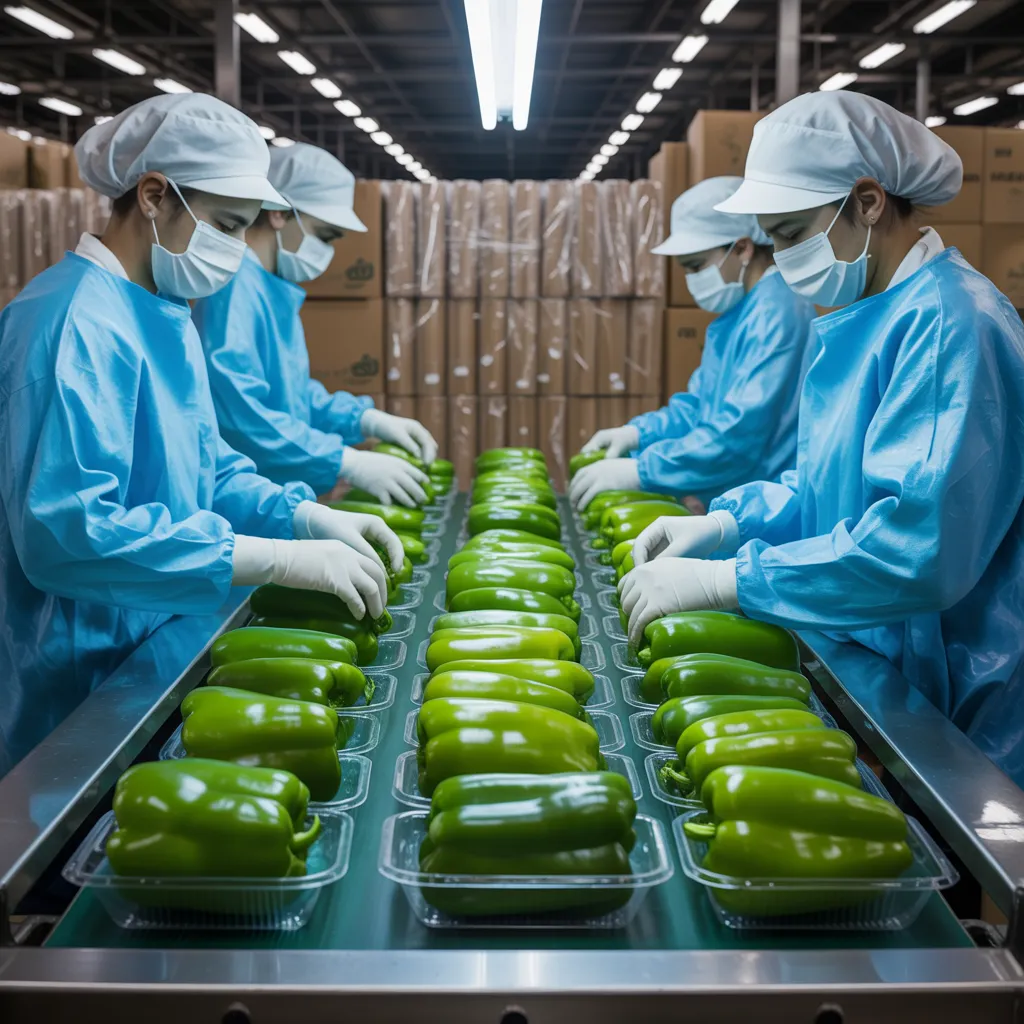
The Evolution of Grocery Delivery Services to Satisfy Consumer Needs
With consumers growing more focused on convenience in their everyday routines, grocery delivery services have evolved considerably to meet these changing demands. Formerly confined to fundamental goods, these platforms now provide an extensive selection of items, including fresh produce, household goods, and specialty items. The integration of technology has transformed the shopping experience, empowering shoppers to purchase through mobile apps and online platforms with personalized recommendations based on preferences and purchase history.
Additionally, the growth of subscription models has brought a new level of accessibility, enabling consumers to organize regular deliveries tailored to their needs. A growing number of services now provide real-time tracking, guaranteeing transparency and improving customer satisfaction. Also, partnerships with local growers and distributors have expanded the range and freshness of available items, attracting health-conscious consumers. In summary, grocery delivery services consistently innovate, working to deliver convenient and reliable solutions that cater to the fast-paced lifestyles of today's consumers.
Key Players in Online Food Packaging Solutions
The online food packaging solutions landscape is defined by multiple leading organizations dedicated to improving the online grocery delivery experience. Organizations including Packsize and Eco-Products focus on creating environmentally responsible packaging alternatives that minimize waste without compromising product integrity. In addition, technology-driven firms like Smart Packaging Solutions employ advanced materials to secure the freshness and safety of products in transit.
Large grocery retailers, such as Amazon Fresh and Walmart, have also entered the packaging arena by developing exclusive solutions optimized for their logistics systems. These companies focus on operational efficiency, utilizing advanced automation to streamline packaging operations and minimize costs. Collaborative efforts between packaging producers, distribution specialists, and grocery chains have further propelled advancements in this sector.
With competition growing fiercer, these major industry players are reshaping packaging benchmarks but also fostering a more eco-friendly and streamlined grocery delivery ecosystem.
What Major Challenges Does the Grocery Delivery Industry Encounter?
Difficulties within the grocery delivery sector are varied, affecting both service providers and end users. A major challenge is the logistical intricacy associated with overseeing inventory, routing, and delivery timelines. Delays can result in customer dissatisfaction, particularly when fresh goods are part of the order. Moreover, the increasing expenses of fuel and workforce squeeze profitability, compelling businesses to revisit their cost frameworks.
Moreover, preserving product quality throughout the delivery process continues to be an ongoing challenge. Inadequate packaging may result in spoilage or product damage, making it increasingly difficult to meet customer expectations. The market equally contends with challenges posed by traditional supermarkets that have broadened their services to feature delivery options, leading to a heavily saturated industry environment.
Finally, safeguarding customer data presents a significant challenge, as data breaches can undermine trust and customer loyalty. These factors collectively create an environment where grocery delivery companies are required to innovate and evolve to maintain their operations while fulfilling the expectations of their customers.
Eco-Friendly Packaging Advancements in Grocery Delivery
The grocery delivery industry is directing more attention toward eco-friendly packaging advancements to combat ecological issues. By incorporating green materials, organizations work to lessen their use of plastic and cut down on waste. This shift not only benefits the planet but also meets growing consumer expectations for more environmentally conscious methods.
Green Materials Application
As consumers increasingly prioritize sustainability, grocery delivery services have shifted toward eco-friendly materials for advancements in packaging. Compostable and biodegradable options, such as recycled paper and plant-based bioplastics, are now frequently employed to minimize environmental impact. These eco-friendly alternatives not only help minimize landfill contributions but also align with consumers' values, encouraging lasting brand loyalty. Additionally, companies are exploring reusable packaging systems that incentivize customers to return their packaging, strengthening their dedication to sustainable practices. Groundbreaking solutions like edible packaging and water-soluble films are also growing in popularity, highlighting the industry's focus on minimizing its environmental impact. By integrating these eco-friendly materials, grocery delivery services are not only responding to evolving consumer expectations but also helping shape a more sustainable future for food distribution.
Minimizing the Impact of Plastic Waste
While many consumers enjoy the practicality of home grocery delivery, the environmental burden caused by standard packaging practices has sparked major environmental worries. In response, innovative companies are prioritizing eco-conscious packaging alternatives that reduce plastic consumption. Sustainable materials, like bio-based plastics and repurposed paper, are gaining traction as viable alternatives. Additionally, organizations are developing refillable container programs, prompting consumers to return receptacles for washing and repurposing. These programs not only cut down on plastic waste but also cultivate public consciousness about environmental effects. By implementing green initiatives, the home delivery industry is striving to reconcile practicality with environmental responsibility. This shift reflects a growing commitment to reducing plastic's ecological footprint, ultimately contributing to a more sustainable future for food distribution.
The Influence of Grocery Delivery on Packaging Choices
With the rise of grocery delivery services, companies are increasingly reevaluating their packaging choices to satisfy evolving consumer expectations. The shift towards convenience has prompted retailers to adopt innovative materials that protect products while delivering a superior user experience. Packaging must now withstand the rigors of transportation and maintain product integrity across longer delivery times.
Sustainability has emerged as a key factor, as buyers gravitate toward sustainable choices. Many companies are shifting to biodegradable or recyclable materials, aligning their practices with environmentally conscious consumer values. Furthermore, packaging designs are evolving to minimize waste, incorporating smaller formats and reusable containers.
The importance of transparent labeling and user-friendly designs has also gained prominence, catering to consumers who prioritize accessibility. As online grocery delivery experiences ongoing growth, the relationship between shopper expectations and packaging developments will define the industry's evolving direction, highlighting the increasing significance of functionality and sustainability in food packaging.
Upcoming Trends in Grocery Delivery and Packaging Solutions
As the grocery delivery sector continues to develop, advancements in sustainable packaging are growing more critical. Additionally, smart delivery technologies are set to enhance efficiency and customer experience. Combined, these developments are set to transform the way consumers obtain their groceries while tackling environmental challenges.
Green Packaging Breakthroughs
Green packaging innovations are redefining the grocery delivery industry, showcasing a deepening focus on environmental stewardship. Businesses are progressively embracing biodegradable solutions, minimizing plastic waste and improving recyclability. This change involves the utilization of compostable pouches and containers manufactured from plant-based resources, which reduce the environmental impact linked to conventional packaging practices. Moreover, reusable container systems are growing in prominence, allowing customers to return containers for cleaning and repurposing, thus supporting a circular economic model. Innovations such as edible packaging and minimalistic designs also contribute to sustainability goals. As shopper awareness continues to rise, companies that emphasize sustainable packaging not only distinguish themselves within a crowded marketplace but also appeal to a mindful customer base consistently looking for sustainable choices.
Intelligent Delivery Solutions
Advanced smart delivery technologies are reshaping the grocery delivery landscape, delivering superior efficiency and ease for customers. Robotic systems, like drones and autonomous cars, are shortening delivery windows while reducing workforce costs. Live tracking tools allow shoppers to follow their deliveries, building transparency and confidence. Additionally, advanced algorithms optimize delivery routes based on traffic patterns and weather conditions, ensuring timely arrivals. The adoption of artificial intelligence supports customized product recommendations, elevating the consumer experience. Additionally, intelligent packaging systems fitted with sensors track product freshness, notifying buyers of potential concerns prior to use. As these developments progress, they are poised to reinvent the future of grocery delivery, making it speedier, more sophisticated, and trustworthy.
Cases of Effective Grocery Packaging Innovations
As consumers continue to prioritize convenience and environmental responsibility, food packaging pertinent information solutions have transformed to satisfy these expectations through various innovative solutions. One notable example is the adoption of biodegradable packaging options, which break down organically, minimizing waste in landfills. Businesses such as FreshDirect have embraced biodegradable bags that appeal to eco-conscious shoppers.
Moreover, reusable containers have gained traction, as brands like Loop offer a return-and-reuse model, decreasing the reliance on single-use plastics. Intelligent packaging solutions, integrating QR codes and NFC tags, elevate the customer experience by offering comprehensive product details and promoting recycling practices.
Furthermore, vacuum-sealing technology extends product freshness, minimizing food waste while maintaining freshness. Brands such as Blue Apron utilize this method to deliver ingredients efficiently. These advancements not only meet consumer demands but also support sustainability objectives, highlighting the grocery sector's dedication to eco-friendly packaging solutions in an increasingly digital marketplace.
Commonly Asked Questions
Which Types of Products Work Best for Grocery Delivery?
Perishable products including fruits, vegetables, dairy, and meats work best with home grocery delivery. In addition, non-perishable items like frozen foods, canned goods, and dry staples also fare exceptionally well, providing consumers with a well-rounded selection.
How Are Perishable Items Managed by Grocery Delivery Services?
Grocery delivery companies utilize specialized insulated packaging and climate-controlled conditions to keep perishable products fresh. They emphasize swift delivery and commonly utilize refrigerated transport to secure perfect conditions for products throughout delivery to the customer.
What Are Typical Delivery Timeframes for Grocery Orders?
Standard delivery schedules for grocery orders generally span one to two hours for express options, while standard deliveries may take up to 24 hours. Customers often select preferred time slots during checkout for convenience.
Are There Fees Associated With Grocery Delivery Services?
Yes, grocery delivery services frequently charge fees such as delivery charges, service fees, or minimum order fees. These costs can vary by provider and can be affected by elements such as delivery location and order size.
How Do Grocery Delivery Services Use Customer Data?
Customer data in grocery delivery operations is leveraged to personalize shopping experiences, optimize inventory management, and improve promotional approaches. This information helps operators predict trends, elevate the overall customer experience, and enhance logistical efficiency across delivery operations.